Bachelor of Medical Laboratory Science (BMLS)
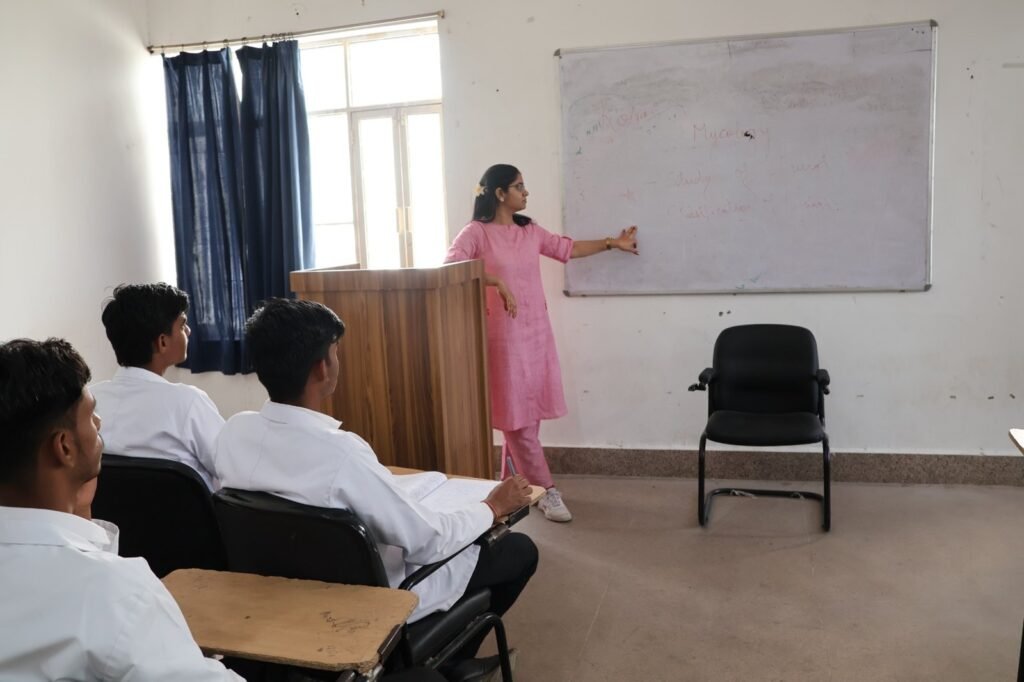
This programme is designed to develop skilled laboratory professionals capable of supporting accurate diagnosis, treatment, and prevention of diseases. It provides in-depth knowledge of clinical laboratory sciences, including biochemistry, microbiology, haematology, pathology, immunology, and molecular diagnostics. It emphasizes precision, analytical skills, and adherence to quality standards, which are essential for effective laboratory practice in modern healthcare systems.
The curriculum integrates theoretical learning with extensive practical training, enabling students to gain hands-on experience in diagnostic laboratories. Through laboratory sessions, clinical postings, case-based learning, and internships, students develop competencies in handling advanced diagnostic equipment and performing laboratory investigations with accuracy and reliability.
Aligned with national healthcare standards, the programme also focuses on laboratory management, quality control, biosafety, and ethical practices, preparing graduates to work efficiently in multidisciplinary healthcare teams.
Eligibility Criteria
- Passed 10+2 (Higher Secondary Examination) or equivalent from a recognized board/university with Physics, Chemistry, and Biology
- Minimum 50% aggregate marks in PCB for General Category, (relaxation as per applicable norms for Reserved Categories)
The candidate must have completed 17 years of age on or before 31st December of the year of admission
Career Pathways
Graduates can explore diverse opportunities in diagnostic and healthcare sectors, including:
- Medical Laboratory Technologist / Lab Technician
- Pathology Lab Specialist
- Research Assistant / Laboratory Scientist
- Quality Control Officer in Diagnostic Labs
- Lab Manager / Laboratory Supervisor
- Healthcare Industry (Pharma / Diagnostics Companies)
- Higher Education (M.Sc., Ph.D., Specialized Certifications)
Bachelor Of Medical Radiology And Imaging Technology (BMRIT)
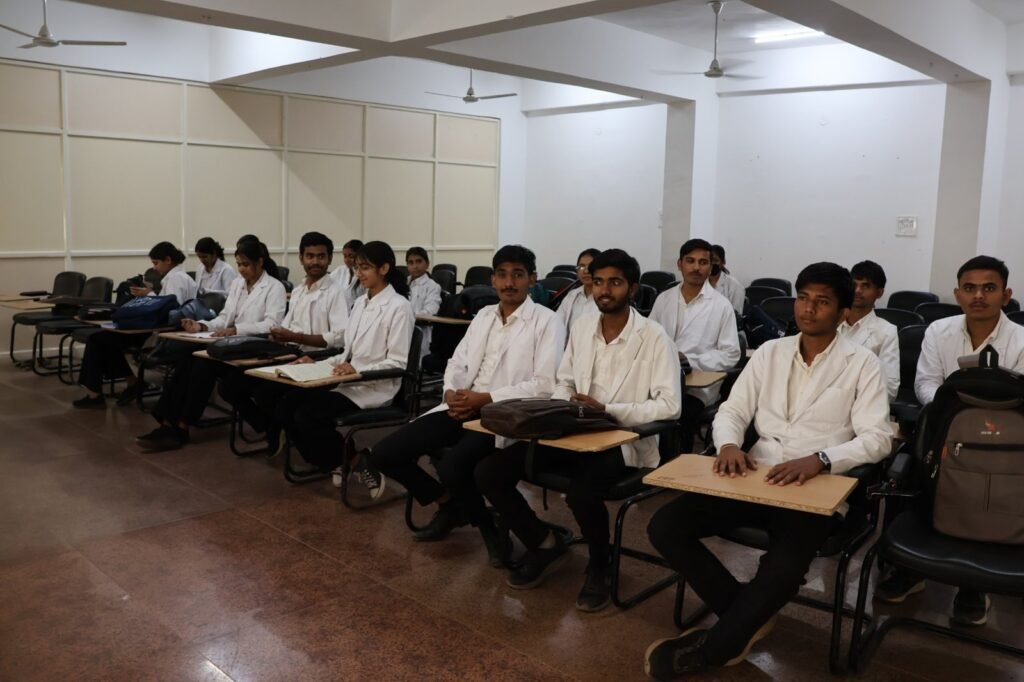
This programme is designed to develop competent professionals in diagnostic imaging and radiation-based healthcare services. It provides comprehensive knowledge of radiographic techniques, imaging modalities, radiation physics, radiotherapy, and patient care. It emphasizes precision, safety, and adherence to radiation protection standards, which are critical in modern medical imaging and cancer treatment.
The curriculum integrates theoretical learning with extensive practical training, enabling students to gain hands-on experience in operating advanced imaging equipment such as X-ray, CT scan, MRI, and radiotherapy machines. Through clinical postings, laboratory sessions, and internships, students develop expertise in imaging procedures, patient positioning, and radiation safety protocols.
Aligned with national healthcare standards, the programme also focuses on quality assurance, equipment handling, and ethical practices, preparing graduates to work efficiently in multidisciplinary healthcare teams and high-tech diagnostic environments.
Eligibility Criteria
- Passed 10+2 (Senior Secondary) or equivalent with Physics, Chemistry, and Biology/Mathematics
- Minimum 50% aggregate marks in PCB for General Category, (relaxation as per applicable norms for Reserved Categories)
- The candidate must have completed 17 years of age on or before 31st December of the year of admission
Career Pathways
Graduates can pursue diverse opportunities in diagnostic and therapeutic healthcare settings, including:
- Radiology Technologist / X-ray Technician
- CT Scan / MRI Technician
- Radiotherapy Technologist
- Imaging Specialist in Hospitals and Diagnostic Centres
- Radiation Safety Officer (with additional certification)
- Research Assistant in Medical Imaging
- Healthcare Industry (Medical Equipment / Diagnostics)
- Higher Education (M.Sc., Specialized Certifications)
Bachelor of Optometry (BOptom)
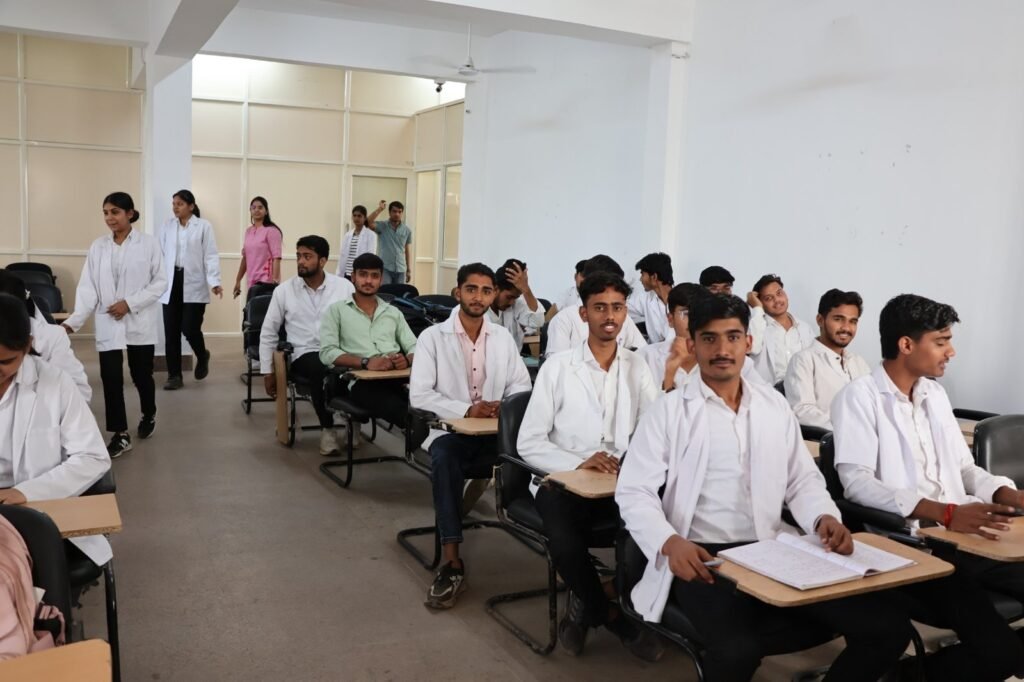
This programme is designed to develop skilled professionals in eye care and ophthalmic diagnostics. It provides comprehensive knowledge of ocular anatomy and physiology, ophthalmic instruments, vision assessment, and diagnostic procedures. It emphasizes precision, patient care, and ethical practice, which are essential for supporting ophthalmologists in delivering quality eye care services.
The curriculum integrates theoretical learning with extensive practical training, enabling students to gain hands-on experience in vision testing, refraction, optical dispensing, and operation of advanced ophthalmic equipment. Through clinical postings, laboratory work, and internships, students develop competencies in diagnosing visual disorders, assisting in eye surgeries, and managing ophthalmic clinics.
Aligned with national healthcare standards, the programme also focuses on preventive eye care, community ophthalmology, and patient counseling, preparing graduates to contribute effectively to eye health and vision care services.
Eligibility Criteria
- Passed 10+2 (Higher Secondary Examination) or equivalent from a recognized board/university with Physics, Chemistry, and Biology
- Minimum 50% aggregate marks in PCB for General Category, (relaxation as per applicable norms for Reserved Categories)
- The candidate must have completed 17 years of age on or before 31st December of the year of admission
Career Pathways
Graduates can pursue diverse opportunities in eye care and vision services, including:
- Ophthalmic Technician / Ophthalmic Assistant
- Optometrist Assistant / Refraction Specialist
- Clinical Assistant in Eye Hospitals and Vision Centres
- Operation Theatre (OT) Assistant in Ophthalmology
- Optical Store Manager / Lens Consultant
- Community Eye Health Worker
- Research Assistant in Vision Science
- Higher Education (M.Sc., Specialized Certifications)